
Sign In
  • Log In
  • Register

Lost Your Password?

Registration is disabled

PacificEdge
  • Home
  • About
    • About PacificEdge
    • Get in touch
  • Blog
  • Journalism
    • PacificEdge on Medium
    • Permaculture journal on Medium
    • By Road & Track on Medium
    • Citizen journalism
    • Journal
    • Nomadics
    • The alt.food movement
    • A Tasmanian journey
    • Memoir
  • Permaculture
    • PERMACULTURE journal — Medium feed
    • Permaculture Papers
    • The Trainer Papers
    • Participatory techniques
  • Publications
    • PacificEdge papers
    • Policy related documents
    • TerraCircle publications
    • Storehouse photo essays
    • Adobe Spark photo essays
PacificEdge
  • Home
  • About
    • About PacificEdge
    • Get in touch
  • Blog
  • Journalism
    • PacificEdge on Medium
    • Permaculture journal on Medium
    • By Road & Track on Medium
    • Citizen journalism
    • Journal
    • Nomadics
    • The alt.food movement
    • A Tasmanian journey
    • Memoir
  • Permaculture
    • PERMACULTURE journal — Medium feed
    • Permaculture Papers
    • The Trainer Papers
    • Participatory techniques
  • Publications
    • PacificEdge papers
    • Policy related documents
    • TerraCircle publications
    • Storehouse photo essays
    • Adobe Spark photo essays
Sign In Add Listing
Tasty saltbush

Tasty saltbush

  • May 30, 2025May 30, 2025
  • Bush foods

Story and photos: Russ Grayson

Common name: Saltbush.

Botanic name:

Family: Amaranthaceae
Genus: Atriplex
Species: 52 species in Australia.

Centre of diversity: Australia and other countries.

Natural habitat:

  • coastal ecosystems
  • dry inland Australia and overseas.

Growth form:

  • perennial shrub 3m high to around 5m wide
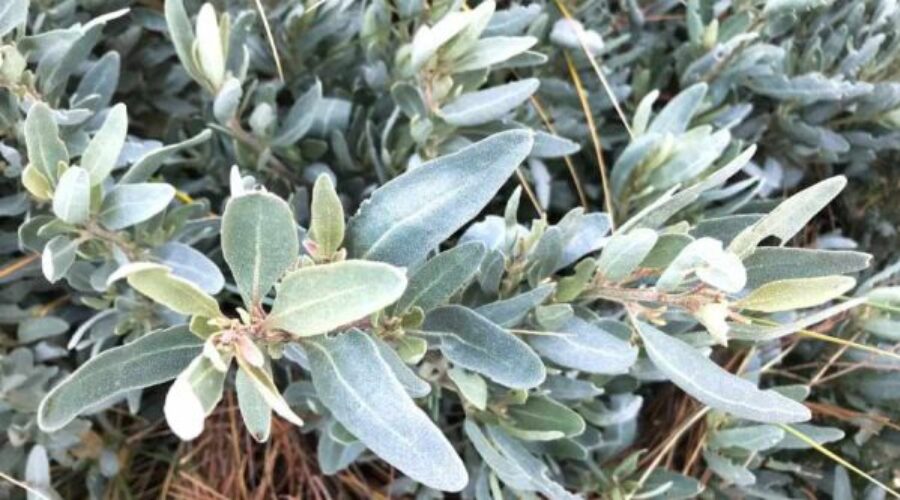
  • grey-green in leaf colour
  • small grey-yellow flowers.

Useful part: leaf.

Uses:

Food:

  • salt substitute
  • use in salads, stir fry to add flavour
  • use as a salt substitute by drying leaves and grinding
  • fry leaves as potato chips
  • keeps in a bag in the refrigerator for about five days; dried?—?keeps for around three to four months in a sealed container.

Other uses:

  • screen in garden
  • habitat planting
  • sand dune stabilisation
  • sheep, cattle browse.

Reproduction, growing:

  • reproduce from seeds, cuttings
  • tolerates sandy soil and salty sea spray
  • wind tolerant.

Notes: stores high levels of salt in the roots and leaves.

Indigenous uses, names:

  • known as Tjilyi-tjilyi to Indigenous Australians
  • seeds roasted, ground to add to traditional bush bread
  • Aussie Green Thumb: ash from the burned leaves used like baking soda; leaves used to treat burns and wounds.
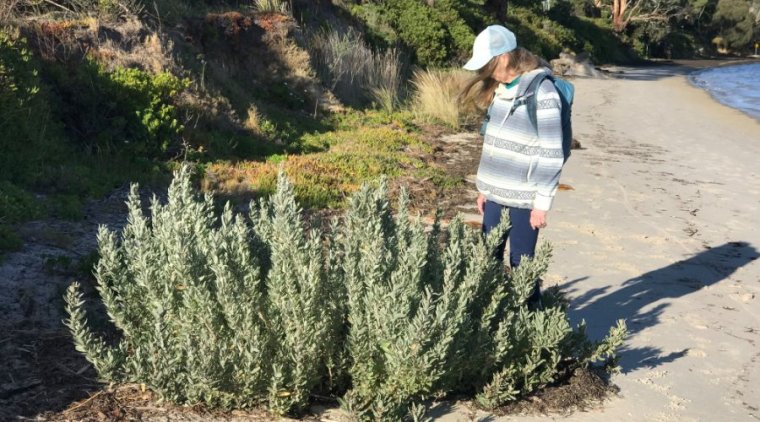
Saltbush in coastal habitat. Wind and salt spray tolerant, saltbush is found on beaches as well as inland Australia. 
  • Share
  • Share
  • Pin

Post navigation

Previous Post A beach, wild harvest and a reptile
Next Post Pigface

Leave a Reply

Your email address will not be published. Required fields are marked *

This site uses Akismet to reduce spam. Learn how your comment data is processed.

Contact us… Russ Grayson

View Profile

Journalist & photographer with media, international development and adventure equipment background. Media, adventure activities, writing, permaculture.

Send Message

Connect with us

Latest stories

  • Test blog posting
    July 18, 2026
  • Babaco — bit like a pawpaw but not quite
    June 1, 2025
  • Pawpaw — another fast fruit
    June 1, 2025
  • Black sapote — chocolate pudding fruit
    June 1, 2025
  • Bananas
    June 1, 2025

Journalist & photographer with media, international development and adventure equipment background. Media, adventure activities, writing, permaculture.

Visit my Medium site

Blogs:

  • PERMACULTURE journal
  • PacificEdge

Helpful Links

  • About PacificEdge
  • Get in touch
  • My Profile
© PacificEdge 2026
Hi! How can I help you?
AI Assistant
Expand chat Collapse chat
Start a new chat
Powered by PurioChat